
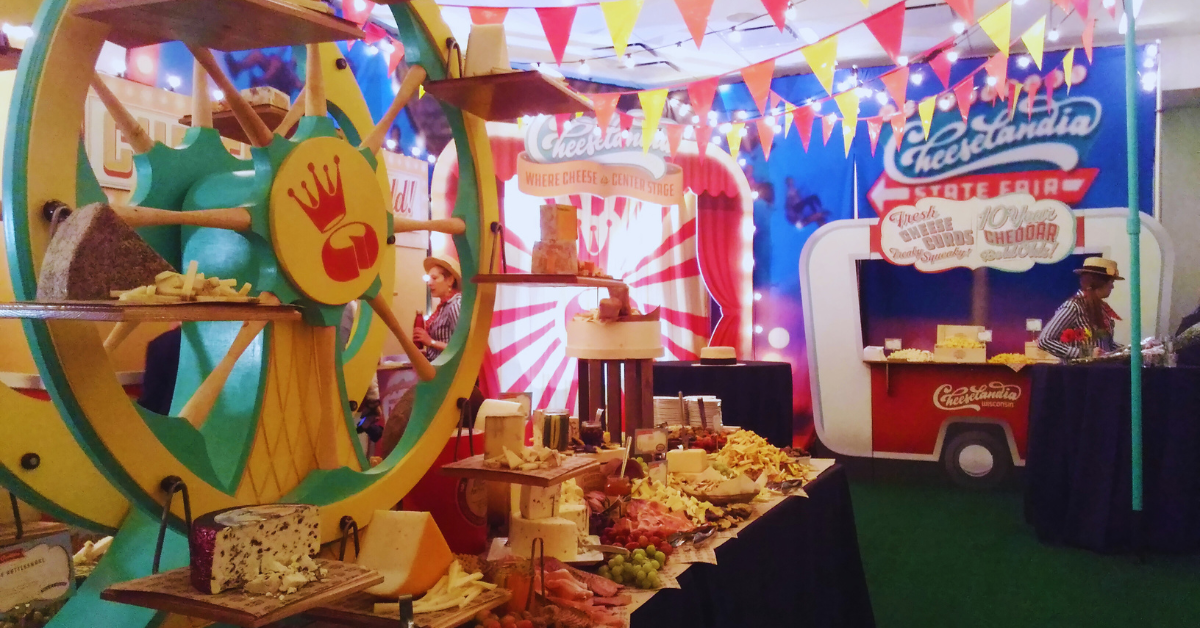
In today’s crowded trade show environment, simply showing up with banners and brochures won’t cut it. Attendees are flooded with information and crave experiences that stand out. That’s where experiential marketing comes in—a strategy focused on interactive, memorable brand experiences that foster deeper engagement and lasting impressions.
Whether you’re new to trade show exhibiting or looking to elevate your booth design, this guide will help you build a thoughtful experiential marketing strategy that attracts attention and generates quality leads.
What Is Experiential Marketing at a Trade Show?
Experiential marketing is a hands-on, interactive approach that invites attendees to experience your brand, not just observe it. Instead of relying on passive visuals, you create opportunities for personal connection—through product demos, immersive environments, or shareable moments.
At trade shows, this could mean:
- Interactive touchscreens or VR demos
- Custom giveaways tailored to each visitor
- Sensory booth design using lighting, texture, and sound
- Engaging staff who embody your brand values
These experiences not only draw people in but also encourage word-of-mouth, social sharing, and ultimately, lead generation.

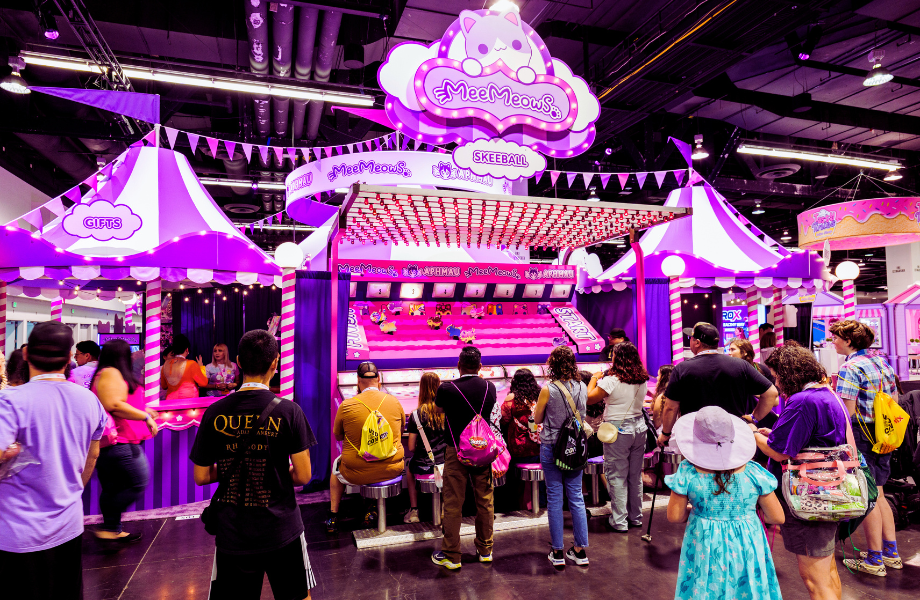
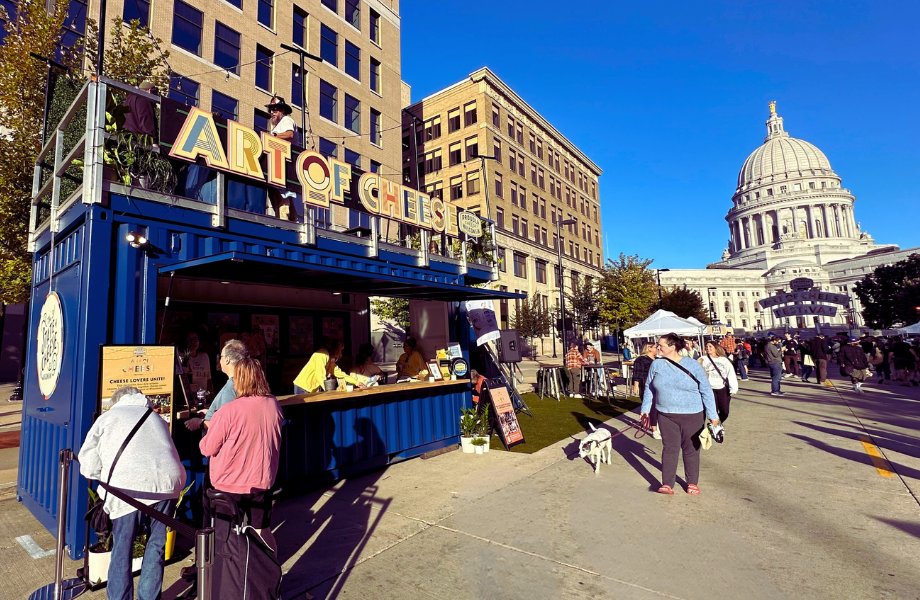
8 Steps to Successful Experiential Marketing
Step 1: Set Clear Goals for Your Experiential Strategy
Before designing your experience, clarify your trade show objectives. Are you aiming to:
- Build brand awareness?
- Generate qualified leads?
- Launch a new product?
- Create social buzz?
Each goal will shape your booth design and engagement tactics. For example, if lead generation is the focus, your experience should naturally flow into a capture mechanism, like a product quiz or digital giveaway that collects attendee data.
Step 2: Know Your Audience
A successful experiential booth starts with a deep understanding of your target audience. What are their pain points? What motivates them to take action? What technologies or experiences do they enjoy?
Tailor your activation to speak directly to your audience’s needs and preferences. For example:
- If targeting tech-savvy decision-makers, consider AR/VR experiences or interactive dashboards.
- If engaging B2B buyers, a personalized product recommendation demo may work better.
Pro tip: Create personas before the event and map their journey through your booth.
Step 3: Design a Sensory and Story-Driven Experience
Now it’s time to bring your strategy to life. Focus on creating a multi-sensory environment that reflects your brand story. This includes:
- Lighting that sets the mood and guides flow
- Textures or physical elements attendees can touch
- Soundscapes or music that reinforce your message
Every detail should reinforce your brand and invite participation. Design a journey that encourages movement, interaction, and discovery.
Step 4: Integrate Interactive Elements
Interactivity is the heart of experiential marketing. Consider elements like:
- Touchscreen product explorers
- Live demos or hands-on trials
- Gamification (e.g., spin-to-win, scavenger hunts)
- Augmented or virtual reality
The more you involve attendees in the experience, the more memorable and shareable your booth becomes.
Step 5: Personalize the Experience
Personalization increases relevance and response. You can personalize through:
- Customized demos based on attendee role or industry
- Branded takeaways created on the spot
- Interactive kiosks that offer tailored recommendations
Even small personal touches (like greeting attendees by name or referencing their company) can create a big impact.
Step 6: Plan for Social Sharing
Your booth experience shouldn’t end at the trade show floor. Make it easy for attendees to share their experience online:
- Include a branded photo wall or immersive selfie station
- Create a unique event hashtag
- Offer incentives for sharing (e.g., a contest entry)
This expands your reach to those who couldn’t attend—and boosts visibility among potential leads.
Step 7: Train Your Booth Staff
Your team is a critical part of the experience. Make sure they:
- Know how to guide attendees through the experience
- Are trained in the tech, demos, or engagement tools
- Represent your brand personality with enthusiasm and professionalism
A great booth staffer can turn a good interaction into a qualified lead.
Step 8: Capture Data and Follow Up
Finally, make sure you’re capturing valuable data during the event. Use:
- Lead capture apps
- Badge scanners integrated with your CRM
- Sign-up forms tied to demos or giveaways
After the show, follow up quickly with personalized outreach based on what each lead experienced at your booth.
Ready to Build Your Next-Level Trade Show Experience?
An experiential marketing strategy isn’t just about looking cool—it’s about creating meaningful engagement that drives results. By thoughtfully designing your space and focusing on interactivity, personalization, and emotion, you’ll not only attract attention—you’ll create connections that convert.
Want help planning your experiential booth?